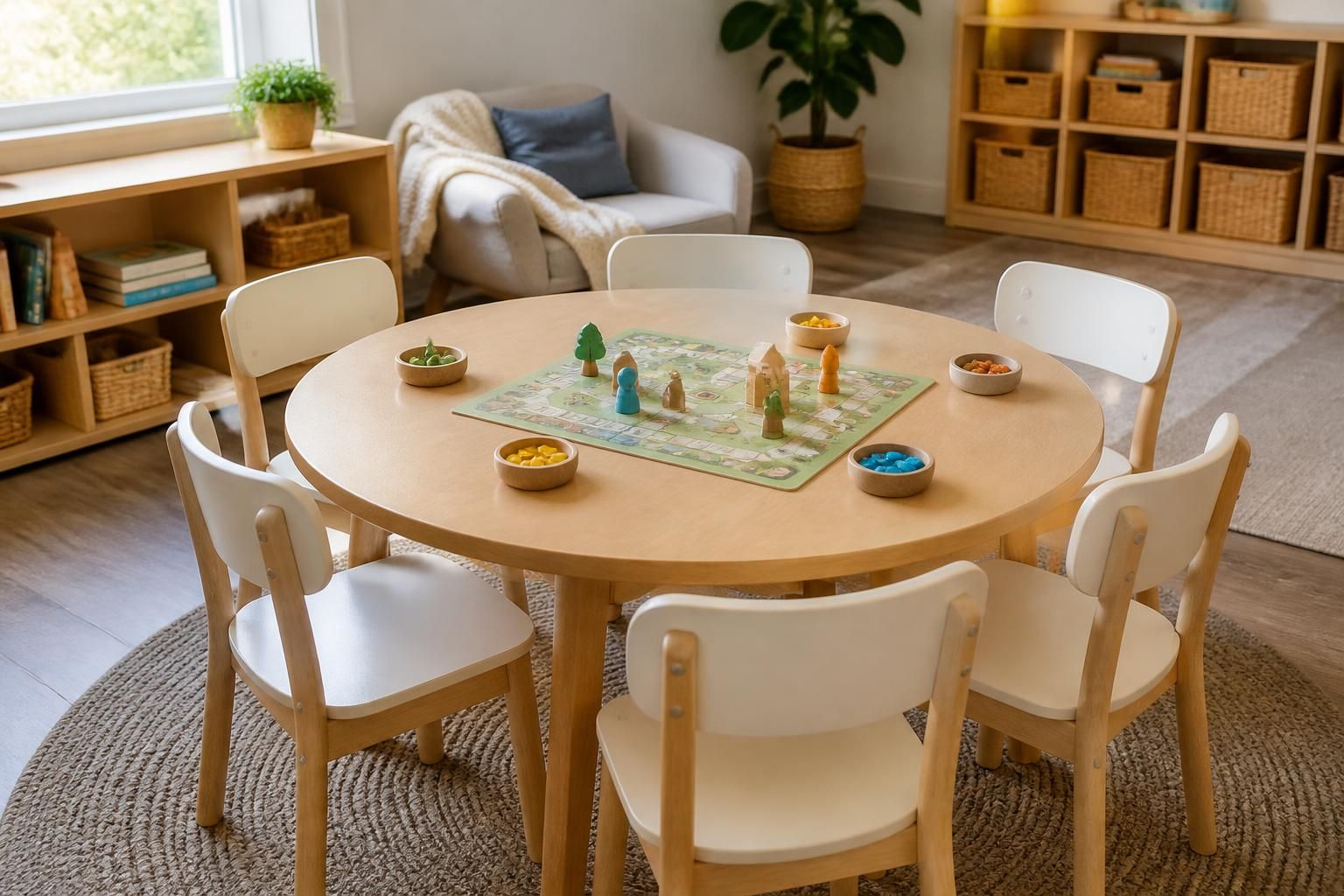
Social Skills Development
Individualized ABA social skills support helps Apollo Beach children and young adults build conversation, play, and friendship skills.
Individualized ABA social skills support helps Apollo Beach children and young adults build conversation, play, and friendship skills.
Social skills development from Inspire and Beyond ABA in Apollo Beach, Florida is ABA-based support for children and young adults ages 2 to 18 who find conversation, play, sharing, and friendships hard. We build each plan around one person's goals and practice the skills in the clinic, at home, at school, and in community settings. To get started, call or send a request, share any referral documents you have, and we will walk you through the assessment.
Maybe your child hovers at the edge of the playground and does not know how to join in. Maybe a lost game ends in tears, or a classmate says hello and gets no answer. Some young adults want friends but leave group settings worn out and unsure what went wrong. These moments are stressful for kids and for the adults who love them, and they usually have a teachable pattern behind them. A clear plan, repeated practice, and steady support from the people around your child can change that pattern.
Every child is different, but families often come to us after noticing a few of these patterns:
Seeing one of these does not mean something is wrong with your child. It means there is a skill worth teaching on purpose rather than hoping it develops on its own.
Social skills are a set of small, learnable behaviors. We break them down so your child can practice one step at a time. Depending on age and goals, a plan may include:
For a toddler, the work often looks like play, imitation, and early requesting. For a teenager, it may focus on conversation, group dynamics, and handling disagreements with dignity.
Social skills teaching works best when it starts with a clear picture of your child and moves toward real-life settings.
We begin with a behavioral assessment so we know what your child can already do, where they get stuck, and what matters most to your family. That information feeds an individualized treatment plan with goals written in plain language. We also help with the paperwork side: referral documents, insurance approval, and scheduling.
Services can take place in the clinic, at home, at school, or in community settings. A skill learned in one room does not always carry over to another, so practicing across settings helps it stick. Apollo Beach families often juggle school schedules, outdoor activities, and warm-weather routines, and we can talk through which setting makes sense for each goal.
Parents sometimes wonder how social skills development differs from general ABA therapy or from speech services. This page covers the social side of ABA: teaching communication, play, and peer skills with clear goals and progress tracking. Broader ABA therapy may also include areas such as toilet training, feeding skills, and daily living, and social goals can sit alongside those in one plan.
Speech-language therapy is a separate service. If your child sees a speech provider, tell us, and we can talk about how the goals fit together so everyone is working in the same direction.
Your child spends only a fraction of the week with us, so the people around them matter. We offer parent training support so you know what skills are being taught and how to encourage them during dinner, errands, and playdates. Regular updates keep you informed, and progress tracking reports show what is changing. When school is part of the picture, school collaboration helps teachers and therapists use consistent language and expectations.
Whoever you choose, a few standards help you judge the work:
Before you commit to any provider for social skills support in the Apollo Beach area, ask:
Clear, direct answers tell you a lot about how a provider works.
Cost depends on your child's needs and your coverage, so we do not quote numbers on a web page. The main factors are:
A clear written quote or coverage summary should spell out what services are included, how often sessions happen, any extras, and how changes are handled if goals or schedules shift. Ask for that in writing before you begin.
The first step is simple: call or send a request. We will help you gather referral documents, schedule the assessment, and work through insurance approval. We serve families across South Hillsborough and Manatee Counties, so if you are nearby but not sure you are in range, ask.
It is for children and young adults ages 2 to 18 who need help with communication, play, sharing, and getting along with peers. Goals are tailored to age and ability.
Frequency is set in your child's individualized treatment plan after the assessment. It depends on goals, availability, and what your insurance approves.
Services are available in the clinic, at home, at school, and in community settings. The right mix depends on where your child needs to use the skills most.
Pricing depends on the scope of the plan, the recommended hours, the settings involved, and your insurance coverage. We can walk through those factors with you once we know your child's needs.
Yes. Our approach is family-focused, with regular updates, parent training, and support so you can reinforce skills at home.
It varies, since the process includes referral documents, assessment, insurance approval, and scheduling. Reaching out early gives us time to guide you through each step.

Making ABA therapy convenient by offering services at home, in community settings, at school, or in our Apollo Beach, FL clinic.